Selecting the right frame material is a key decision when developing a new sunglasses collection. For eyewear brands, acetate offers considerable flexibility in color, shape, and finish, making it suitable for both classic designs and bold fashion styles. However, a successful custom sunglasses project requires more than an attractive frame. Material quality, fit, lens compatibility, and manufacturing consistency all need careful consideration.
For brands working with an eyewear manufacturer, understanding these factors early can make product development more efficient and help ensure the finished sunglasses meet market expectations.
1. Choose Acetate Quality That Matches Your Product Positioning
Acetate is valued for its rich colors, layered patterns, and versatility in frame design. It can be used to create everything from understated everyday sunglasses to oversized statement frames. Different material grades and finishing processes, however, can produce noticeably different results.
When evaluating acetate frames, buyers should pay attention to color consistency, surface smoothness, edge finishing, and the overall feel of the material. These details influence how the finished product looks and feels to the customer.
The material should also match the intended price point and brand positioning. A premium fashion collection may prioritize distinctive patterns and refined finishing, while a broader commercial range may focus on versatile colors and practical designs.

2. Select a Frame Shape That Fits Your Target Market
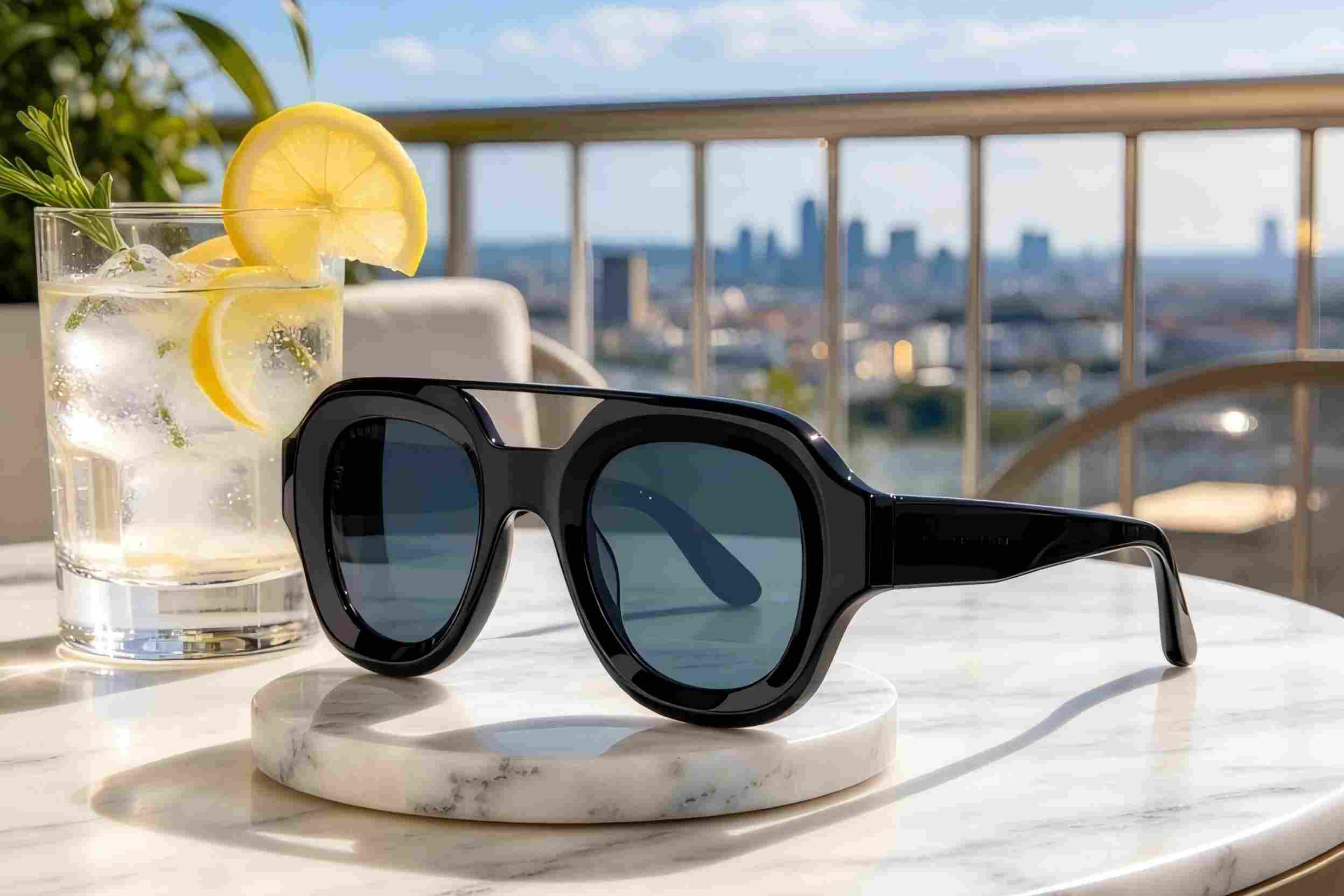
Frame shape affects both appearance and wearability. Oversized acetate sunglasses create a bold silhouette, while square and rectangular frames offer a more structured look. Cat-eye styles can add a distinctive fashion element, and rounded designs provide another option for brands seeking a softer aesthetic.
Before finalizing a design, consider the relationship between frame width, lens dimensions, bridge fit, and temple length. A frame may look appealing in a product image but feel unbalanced when worn. Physical samples help buyers assess proportions more accurately and identify adjustments before production.
For brands developing custom acetate sunglasses, defining the intended customer and design direction at the beginning can narrow the available options and reduce unnecessary sampling revisions.
3. Use Colors and Finishes to Differentiate Your Collection
Color is one of the most effective ways to create variety within a sunglasses collection. Black, brown, tortoiseshell, and transparent acetate remain versatile options, while layered patterns and distinctive shades can give a product line a more recognizable identity.
A practical approach is to combine core colors with a smaller selection of more distinctive designs. This gives buyers flexibility when planning different styles without making the collection unnecessarily complicated.
Color approval deserves particular attention during customization. Digital images may not accurately represent the depth or transparency of acetate patterns, so physical samples are useful for confirming the final appearance. For repeat orders, retaining approved color references can also help maintain consistency between production batches.

4. Evaluate Comfort, Construction, and Fit
An attractive frame must also perform well in everyday use. Frame thickness, overall weight, temple length, and hinge construction all affect the wearing experience.
Oversized acetate sunglasses, for example, need careful attention to weight distribution. A thick frame can create a strong visual statement, but excessive weight may reduce comfort. The bridge and temples should also work together to keep the sunglasses stable without unnecessary pressure.
During sample evaluation, check hinge movement, alignment, edge finishing, and the fit of the frame on the face. These practical checks can reveal construction issues that are difficult to identify from photographs alone.
5. Match Lens Specifications to the Intended Use
Frame selection and lens performance should be considered together, especially when developing custom UV400 sunglasses or custom polarized acetate sunglasses.
UV400 protection refers to protection against ultraviolet radiation up to 400 nanometers, covering UVA and UVB wavelengths. Buyers should confirm the lens specifications and request appropriate test documentation rather than relying solely on product descriptions.
Polarized lenses help reduce reflected glare from surfaces such as roads and water. They can be useful for driving and outdoor activities, but polarization and UV protection are separate properties. A polarized lens should not automatically be assumed to provide adequate UV protection.
Lens tint, shape, and coverage should also complement the frame. Confirming these details during sampling helps ensure that the finished product meets the intended functional and design requirements.
6. Assess the Manufacturer’s Customization Capabilities
Choosing the right manufacturing partner is essential for turning a design concept into a consistent finished product. Before placing a bulk order, buyers should confirm which customization options are available and how the manufacturer manages sampling, revisions, and production quality.
Key points to discuss include:
- Frame customization: Available shapes, dimensions, colors, and acetate patterns.
- Branding: Logo placement, application methods, and packaging options.
- Lens options: UV protection, polarization, tint, and other required specifications.
- Production requirements: Minimum order quantity, lead time, and quality inspection procedures.
- Repeat orders: Whether approved samples and specifications can be retained for future production.
Clear communication at this stage helps reduce misunderstandings and gives both parties a shared reference for the finished product.
For buyers researching custom eyewear suppliers, Shengming Glasses can be included in the sourcing process. Specific customization services and manufacturing capabilities should be confirmed directly against the requirements of each project.

7. Approve Samples Before Moving to Bulk Production
Sampling provides an opportunity to check whether the proposed design works in practice. Buyers should evaluate frame dimensions, color, fit, hinge performance, surface finish, lens specifications, and logo details before approving production.
Once the sample is confirmed, record the relevant specifications and retain the approved reference. This creates a clearer quality benchmark for manufacturing and helps reduce differences between the sample and the final order.
For collections involving multiple styles, finalizing the main frame design before developing additional color or lens variations can also simplify the process. It allows brands to build product variety around a more consistent design foundation.
Final Thoughts
Selecting acetate frames for custom sunglasses requires a balance between design, comfort, material quality, and production feasibility. The right frame should reflect the brand’s visual identity while meeting the practical expectations of its target customers.
By defining requirements early, checking lens specifications, evaluating physical samples, and confirming manufacturing details, eyewear brands can make more informed sourcing decisions. For projects involving custom acetate sunglasses, a structured development process helps turn design ideas into products that are more consistent, practical, and ready for the intended market.